

Beginners Can Fix Their Dining Room Mood With a Single Dimmer Switch
Crooked Goose >> Foodservice>> Beginners Can Fix Their Dining Room Mood With a Single Dimmer Switch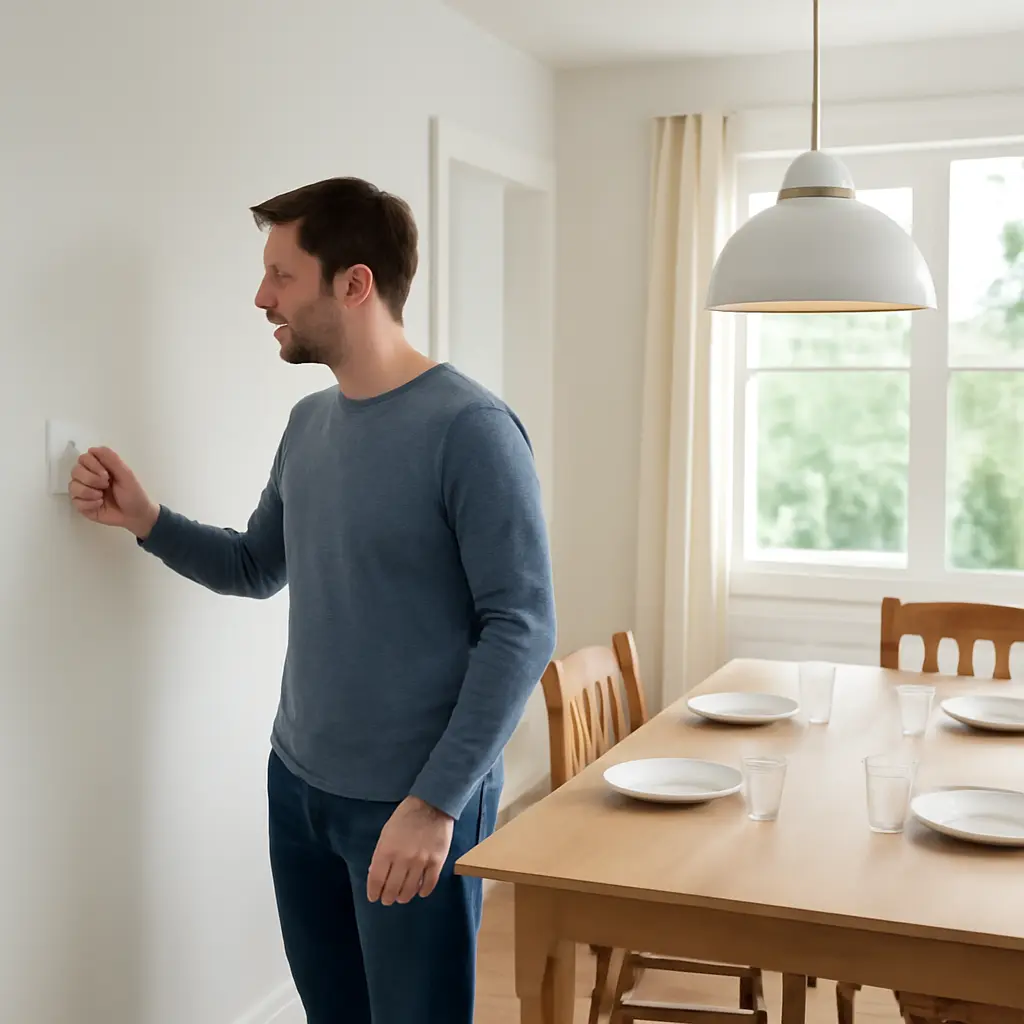
Beginners Can Fix Their Dining Room Mood With a Single Dimmer Switch
A dining-room dimmer switch lets you adjust a compatible light’s brightness instead of choosing only between fully on and off. For beginners, replacing or installing one can be a manageable way to make a room feel brighter for everyday meals and softer for relaxed evenings—provided the switch, bulbs, and wiring are compatible. The U.S. Department of Energy notes that dimming can reduce lighting energy use when lights are operated below full output, though actual savings depend on the equipment and how often it is dimmed. This guide explains what a dimmer does, how to choose one, what to check before installation, and when to call an electrician.
How a Dimmer Switch Changes Dining-Room Lighting
A dimmer is an electrical control that varies the power delivered to a compatible light source, changing its brightness. The National Electrical Manufacturers Association describes dimmers as controls that regulate light output; the exact method depends on the dimmer design and the lamp or driver it operates. In a dining room, that control can support different activities without changing the fixture: brighter light for setting the table or cleaning, and lower light for a quieter meal.
A dimmer does not automatically make every room warmer, more comfortable, or more energy-efficient. Those effects depend on the bulb, fixture, color temperature, control range, and user habits. A dimmer also cannot compensate for a bulb that is not designed to dim: incompatible combinations may flicker, buzz, shut off unexpectedly, or provide only a narrow usable range.
Brightness and ambiance
Brightness is the amount of visible light reaching a surface, while ambiance is the overall impression created by light level, color, direction, and contrast. Lowering a dining fixture’s output can reduce glare and create a more relaxed setting, but the room still needs enough light for people to see food, tableware, and walkways. Try several settings at different times of day rather than assuming the lowest setting will work best.
Energy use and lamp compatibility
Dimming may use less electricity than running a light at full output, but savings vary by lamp technology and control. The U.S. Department of Energy explains that LED lighting uses substantially less energy than traditional incandescent lighting for comparable light output; its Energy Saver guidance describes LEDs as using at least 75% less energy and lasting up to 25 times longer than incandescent bulbs. Those figures compare LED and incandescent lamps, not a specific dimming setup. For reliable performance, check both the bulb packaging and dimmer documentation for an explicit compatibility match.
With the basic purpose established, the next step is to choose a dimmer that suits the dining-room fixture and the wiring already in the wall.
Choosing a Dining-Room Dimmer Switch
A suitable dimmer is one that is rated for the connected lighting load, works with the lamp or fixture’s electronics, and matches the circuit arrangement. The National Electrical Code is published by the National Fire Protection Association and provides safety requirements for electrical installations; local jurisdictions adopt and enforce applicable code editions. Product instructions and local rules matter because dimmer requirements differ by model and location.
Single-pole and multi-location controls
A single-pole dimmer controls a light from one wall location. If the dining-room light is controlled from two locations, the circuit typically uses a three-way arrangement, and the dimmer must be approved for that configuration. Do not infer the wiring type from the number of visible switches alone; follow the device instructions, and ask an electrician if the circuit arrangement is unclear.
LED, incandescent, and integrated fixtures
Different light sources require different controls. An incandescent or halogen bulb may work with a conventional dimmer, while dimmable LEDs generally need an LED-compatible dimmer tested for the relevant load. Some chandeliers and pendant fixtures have integrated LED drivers rather than replaceable bulbs, so their manufacturer may specify a particular control or state that the fixture is not dimmable. Look up the fixture model and dimmer compatibility list before buying.
Control styles and useful features
Rotary, slide, rocker, and smart dimmers all control brightness, but their operation and installation requirements differ. A preset control can return to a preferred level; a smart model may offer app or voice control, but it can require a neutral wire, a compatible hub, or a stable wireless connection. For a straightforward first project, prioritize a clearly labeled, listed dimmer with simple controls over extra features you may not use.
Once a compatible product is selected, safety—not speed—is the deciding factor in whether installation is an appropriate do-it-yourself task.
Installing a Dimmer Safely
Installing a dimmer means replacing or adding a line-voltage electrical control, not merely changing a light bulb. The U.S. Consumer Product Safety Commission advises consumers to use qualified professionals for electrical work beyond their ability and to follow product safety instructions. If you are unfamiliar with household wiring, encounter damaged or confusing wiring, or cannot verify that the circuit is de-energized, stop and hire a licensed electrician.
Checks before beginning
Before any work, read the dimmer instructions, confirm the device is rated for the fixture and circuit, and check local permit or licensing requirements. Turn off the circuit at the breaker and verify power is off with an appropriate voltage tester; a wall switch being off is not proof that wires are safe. Never rely on wire color alone to identify a conductor, because older or modified wiring may not follow expected conventions.
When to call an electrician
Call a qualified electrician if the box contains unfamiliar wiring, aluminum conductors, damaged insulation, signs of heat, no clear grounding arrangement, or more conductors than the instructions explain. Professional help is also the safer choice for multi-location circuits, integrated LED fixtures with uncertain controls, or any installation that requires changes to the circuit. Electrical codes and permit rules vary by jurisdiction, so a general online guide cannot determine whether a particular installation meets local requirements.
Testing the finished setup
After installation is complete according to the manufacturer’s instructions, test the light at several levels. Watch for flicker, audible buzzing, delayed start-up, or abrupt shutoff, especially near the bottom of the dimming range. If symptoms appear, switch off the circuit and consult the compatibility guidance or an electrician rather than repeatedly operating a problematic combination.
Using One Dimmer to Improve Everyday Dining
A dimmer’s practical value comes from matching light to an activity. A useful starting point is a brighter setting for meal preparation and cleanup, a comfortable middle setting for eating, and a lower setting for conversation—then adjust according to daylight, eyesight, and the room’s other lights. This is a simple real-world lighting routine, not a universal brightness prescription.
For example, a household with a pendant over the table might use full brightness while laying out dishes, then lower the light once dinner is served. If the room feels gloomy at a low setting, keep the dimmer higher or add other appropriately placed lighting rather than forcing the pendant to do every job. A dimmer controls the fixture connected to it; it does not independently adjust lamps elsewhere in the room.
A useful way to evaluate the result is to note the control position for common activities over several evenings. If people routinely turn the light back up to see clearly, that is a sign to favor visibility over a very low setting. A simple chart could compare the dimmer position with the activity and perceived comfort, helping household members agree on a practical range.
Conclusion: A Small Control With Everyday Benefits
A dining-room dimmer changes brightness to suit meals, cleanup, and relaxed evenings, and it may reduce lighting energy use when compatible lamps are operated below full output. The best results depend on choosing a dimmer matched to the bulb or fixture, checking whether the circuit is single-pole or multi-location, and following electrical safety requirements. Beginners should treat unfamiliar wiring or uncertain compatibility as a reason to call a qualified electrician. Start by checking the fixture and bulb specifications, then choose a compatible control and test comfortable settings for the ways your household actually uses the room.
Sources: U.S. Department of Energy, Energy Saver: LED Lighting, https://www.energy.gov/energysaver/led-lighting; National Fire Protection Association, National Electrical Code, https://www.nfpa.org/codes-and-standards/nfpa-70-standard-development/70; U.S. Consumer Product Safety Commission, Electrical Safety, https://www.cpsc.gov/Safety-Education/Safety-Guides/Home/Electrical-Safety; National Electrical Manufacturers Association, Lighting Controls, https://www.nema.org/standards/view/lighting-controls
Related Post

Late Night Dining and Deals Explained A Beginner Guide to After Hours Eats
Late Night Dining Trends and Consumer Behavior Late night dining refers to the consumption of…