

Fine dining meets your grandmother’s kitchen at gastropubs
Crooked Goose >> Foodservice>> Fine dining meets your grandmother’s kitchen at gastropubs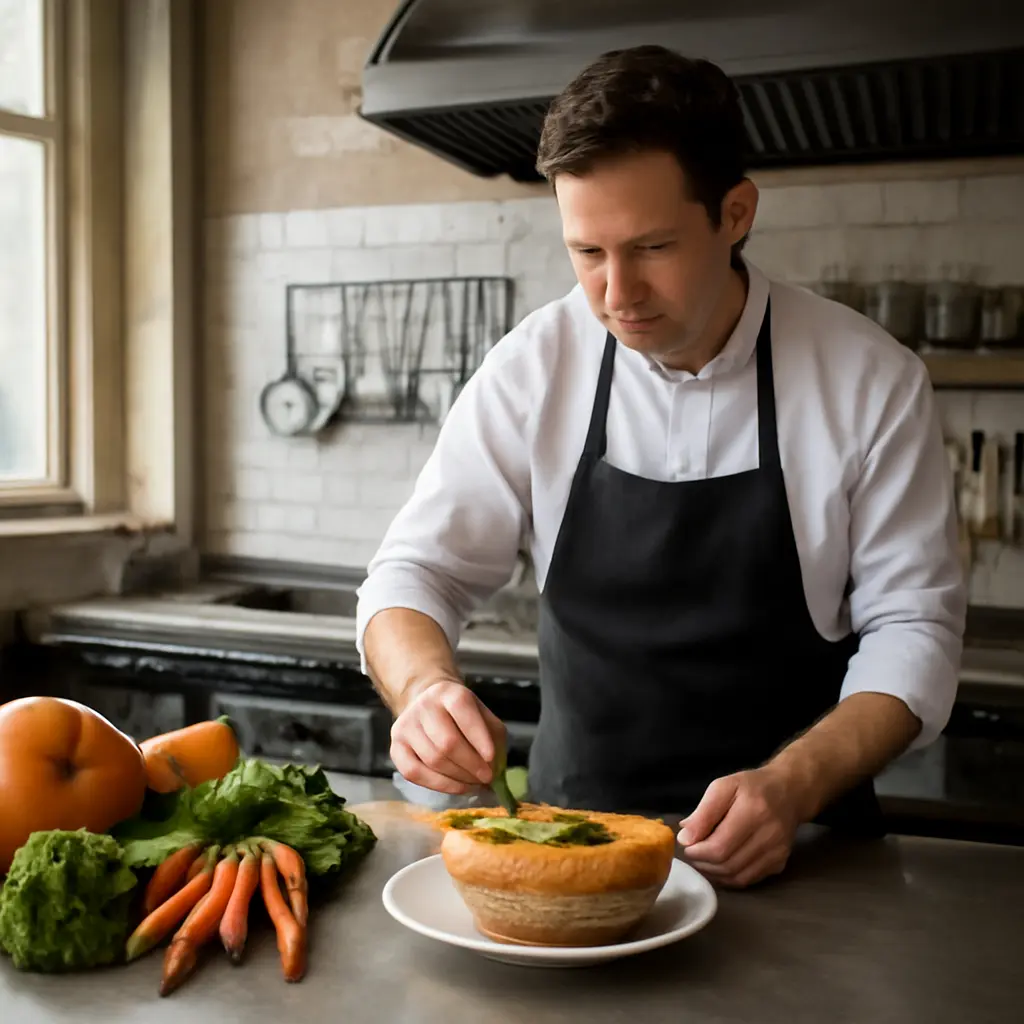
Fine dining meets your grandmother’s kitchen at gastropubs
Gastropubs bring fine-dining technique to the comfort and familiarity of a neighborhood pub: carefully prepared food, thoughtful drinks, and an informal setting. The blend matters because diners increasingly expect restaurant experiences to offer both quality and value. The National Restaurant Association reported that U.S. food-service and drinking-place sales were projected to reach $1.1 trillion in 2024, while its industry research has also highlighted consumers’ interest in experiences that feel distinctive and worth the price. Gastropubs answer that appetite with seasonal menus, elevated versions of familiar dishes, and hospitality that feels welcoming rather than ceremonial.
Gastropub dining combines fine-dining craft with pub comfort
“Gastropub” is a compound of “gastronomy” and “pub,” describing a pub where food is treated as a central attraction rather than a secondary accompaniment to drinks. The term is commonly traced to London’s Eagle pub, which began serving ambitious food in 1991. The idea is not simply to make pub dishes more expensive: it is to bring culinary attention to food that remains recognizable, generous, and relaxed.
The combination draws on two traditions. Fine dining contributes technique, ingredient sourcing, menu design, and presentation; the pub contributes informality, sociability, and the pleasure of a familiar meal. The result can include a precisely cooked steak beside crisp chips, a carefully made pie, or a seasonal vegetable dish served without the formality of a tasting-menu room.
A neighborhood pub becomes a food destination
A gastropub makes the kitchen part of its identity. Menus often emphasize dishes made in-house, local or seasonal ingredients, and a smaller selection of carefully developed plates instead of an expansive list of standard pub fare. The defining feature is the balance: culinary ambition should improve the meal without making the place feel inaccessible.
That model aligns with diners’ continuing interest in restaurant experiences that feel personal and distinctive. The National Restaurant Association’s 2024 industry reporting described a competitive market in which customers weigh food quality, price, convenience, and experience together. Gastropubs can respond by offering a special-occasion level of care in a setting suited to an ordinary weeknight.
“Grandmother’s kitchen” means comfort, not nostalgia alone
The grandmother’s-kitchen idea points to food associated with care: pies, braises, roast meats, soups, puddings, and dishes that invite sharing. These foods often rely on time-intensive methods such as slow cooking, stock-making, baking, and preserving. A gastropub can retain those comforting qualities while refining seasoning, texture, sourcing, and presentation.
This approach also makes room for regional identity. A British-inspired pub might serve a well-made sausage roll or shepherd’s pie; an American version might reinterpret meatloaf, fried chicken, or a pot pie. The specific dishes vary, but the principle is consistent: familiar food earns its place through skilled execution rather than novelty for its own sake.
Gastropub cooking applies fine-dining technique to familiar dishes
Fine-dining technique in a gastropub is the disciplined use of culinary methods to make approachable food more satisfying. It may involve careful temperature control, balanced sauces, house-made components, precise frying, or thoughtful use of acidity and texture. The technique is present in the result, even when the dish looks rustic.
This is not a single cuisine or fixed menu category. Gastropubs may specialize in British comfort food, modern American cooking, seasonal farm-to-table dishes, or a combination. Their common thread is the elevation of everyday food through craft while maintaining a casual, hospitable format.
Seasonal sourcing adds freshness and character
Seasonal sourcing means choosing ingredients when they are naturally available and at their best, often from nearby producers. A menu that changes with the season can feature spring greens, summer tomatoes, autumn mushrooms, or winter root vegetables. This gives chefs a reason to refresh familiar dishes while helping diners connect a meal to place and time.
The U.S. Department of Agriculture’s farm-to-school and local-food resources describe local purchasing as a way to connect food buyers with nearby agricultural producers, though “local” does not have one universal distance definition. For a gastropub, the practical value is clarity: a menu can identify a producer or region when that information is meaningful, without implying that every local ingredient is automatically more sustainable or higher quality.
Slow cooking and careful preparation transform comfort food
Slow cooking uses sustained, controlled heat to tenderize tougher cuts and develop flavor. In a pub kitchen, that might mean braised beef in a pie filling, stock simmered for a sauce, or onions cooked slowly until sweet and deeply browned. These methods echo home cooking because they reward patience, but professional consistency depends on recipe control, food safety, and careful timing.
The U.S. Food and Drug Administration’s Food Code sets model guidance for retail food safety, including temperature control for foods requiring time and temperature control for safety. A restaurant’s specific obligations depend on local adoption and enforcement, but the broader lesson is essential: comfort-food methods must be paired with reliable handling, storage, and cooking practices.
Presentation stays polished without losing its warmth
Gastropub presentation typically aims for appetite rather than spectacle. A pie may arrive golden and neatly portioned; vegetables may be arranged with care; sauces may be finished cleanly. Unlike highly formal fine dining, the plate need not signal exclusivity. The visual message is that the food has been thoughtfully made and is meant to be enjoyed.
That distinction helps explain why a gastropub can feel special without feeling stiff. The menu communicates expertise, while the room and service encourage conversation. Good execution makes the familiar dish memorable; restrained presentation ensures that the dish still feels like something a guest would happily order again.
Gastropub menus balance comfort, seasonality, and value
A gastropub menu is a curated selection of approachable dishes designed to work with the kitchen’s capacity, the seasons, and the drinks list. Strong menus usually include recognizable anchors alongside a few changing or more exploratory plates. This structure allows guests to choose a dependable favorite or try something new without feeling that the restaurant has abandoned its pub roots.
Value is part of the proposition. The Bureau of Labor Statistics’ Consumer Expenditure data track household spending on food away from home, showing why restaurants operate within a broader household budget rather than in isolation. Gastropubs can support perceived value through generous portions, consistent cooking, transparent descriptions, and dishes whose ingredients and labor are evident in the experience.
Elevated pub classics provide an accessible starting point
Pub classics are familiar dishes associated with casual drinking and communal meals, including fish and chips, burgers, pies, sausages, and roast meats. A gastropub may refine them through better sourcing, house-made pastry, fresh frying oil, careful seasoning, or sauces made from scratch. The dish remains legible to the guest, but its details show the kitchen’s skill.
For example, a burger can be elevated through a well-sourced patty, a properly toasted bun, and balanced toppings rather than an excessive stack of ingredients. Fish and chips can benefit from fresh fish, a crisp batter, and attention to frying temperature. The point is not complexity for its own sake; it is making each familiar element perform well.
Seasonal specials keep a stable menu from becoming routine
A seasonal special is a limited or changing dish that reflects available ingredients, a holiday, or the chef’s current inspiration. Specials let a gastropub test ideas and make use of produce at its peak, while core dishes reassure returning guests. This combination can also help a kitchen adapt to changes in supply and reduce dependence on a menu that never changes.
A useful seasonal program is more than a decorative claim. Restaurants can explain what has changed and why, such as a local vegetable appearing in a side dish or a summer fruit being used in a pudding. Clear descriptions build trust and help diners understand the relationship between sourcing, flavor, and price.
Drinks pairings connect the kitchen and the pub
The pub setting gives drinks a natural role alongside food. Beer, cider, wine, cocktails, and nonalcoholic choices can complement a menu through contrast or similarity: a crisp drink may refresh the palate after fried food, while a malty beer can echo the browned flavors of a roast or pie. Thoughtful pairing makes the bar and kitchen feel like parts of the same experience.
A balanced drinks program should also accommodate guests who do not drink alcohol. The National Restaurant Association has identified continued consumer interest in beverages beyond traditional alcoholic options, including specialty coffees and nonalcoholic drinks. For a gastropub, a good alcohol-free list reinforces hospitality rather than treating it as an afterthought.
Gastropubs make restaurant hospitality feel informal and personal
Gastropub hospitality is attentive service delivered without unnecessary ceremony. Guests may receive knowledgeable recommendations about a dish or drink, but the interaction remains conversational. This middle ground distinguishes the format from both a bare-bones bar meal and a highly formal dining room.
The model can be especially effective for groups with different expectations. One guest may want a classic pie, another a seasonal special, and another a carefully selected drink. A varied but coherent menu lets them share a table without requiring everyone to seek the same kind of dining experience.
A relaxed room supports repeat visits
Atmosphere is the combination of a restaurant’s layout, sound, lighting, service, and social energy. Gastropubs tend to use familiar cues—bar seating, wood, communal tables, or neighborhood décor—to signal that guests can settle in. Those features matter because food quality alone does not determine whether a restaurant feels comfortable enough for a return visit.
The most successful rooms avoid confusing casualness with carelessness. Clean tables, clear menus, prompt attention, and a welcoming greeting support the relaxed mood. In this sense, the pub tradition contributes not only décor but a social promise: the guest belongs in the room.
Real-world examples show how the format adapts
The Eagle in London is widely associated with the early popularization of the modern gastropub idea in the 1990s. Its importance is less about a single menu than about a shift in expectations: a public house could be a destination for serious cooking while retaining a casual identity. Since then, the concept has traveled and adapted to local tastes.
In the United States, gastropub-style restaurants often pair craft beer with burgers, house-made sausages, seasonal vegetables, and regional comfort dishes. Elsewhere, chefs may apply the same approach to local ingredients and traditions. These examples demonstrate that “gastropub” describes a relationship between food and setting, not a rigid list of dishes.
Conclusion: gastropub dining makes craft feel welcoming
Gastropubs bring fine-dining technique to familiar food by combining skilled preparation, seasonal ingredients, and considered drinks with the ease of a neighborhood pub. Their identity rests on an effective balance: elevated pub classics remain recognizable, comfort food receives professional care, and hospitality stays relaxed. The format shows how culinary ambition can be accessible without becoming formal or intimidating.
For diners, the most useful way to explore a gastropub is to look for clear sourcing, dishes made with care, and a menu that balances dependable favorites with seasonal ideas. For restaurant operators, the opportunity is to make quality visible while preserving warmth and value. Read menus closely, ask staff about house specialties, and support restaurants that treat both the food and the welcome as essential parts of the meal.
Sources: National Restaurant Association, 2024 State of the Restaurant Industry Report, https://restaurant.org/research-and-media/research/research-reports/state-of-the-restaurant-industry/; U.S. Bureau of Labor Statistics, Consumer Expenditure Surveys, https://www.bls.gov/cex/; U.S. Department of Agriculture, Local Food Directories and Data, https://www.ams.usda.gov/services/local-regional/food-directories; U.S. Food and Drug Administration, Food Code, https://www.fda.gov/food/retail-food-protection/fda-food-code; The Eagle, About The Eagle, https://www.eaglenow.co.uk/.
Related Post

10 Reasons Casual Dining for Weekend Meals Is Everyone’s Go To Choice
Casual Dining Convenience: Defining Weekend Meal Preferences Casual dining is commonly understood as a relaxed,…