
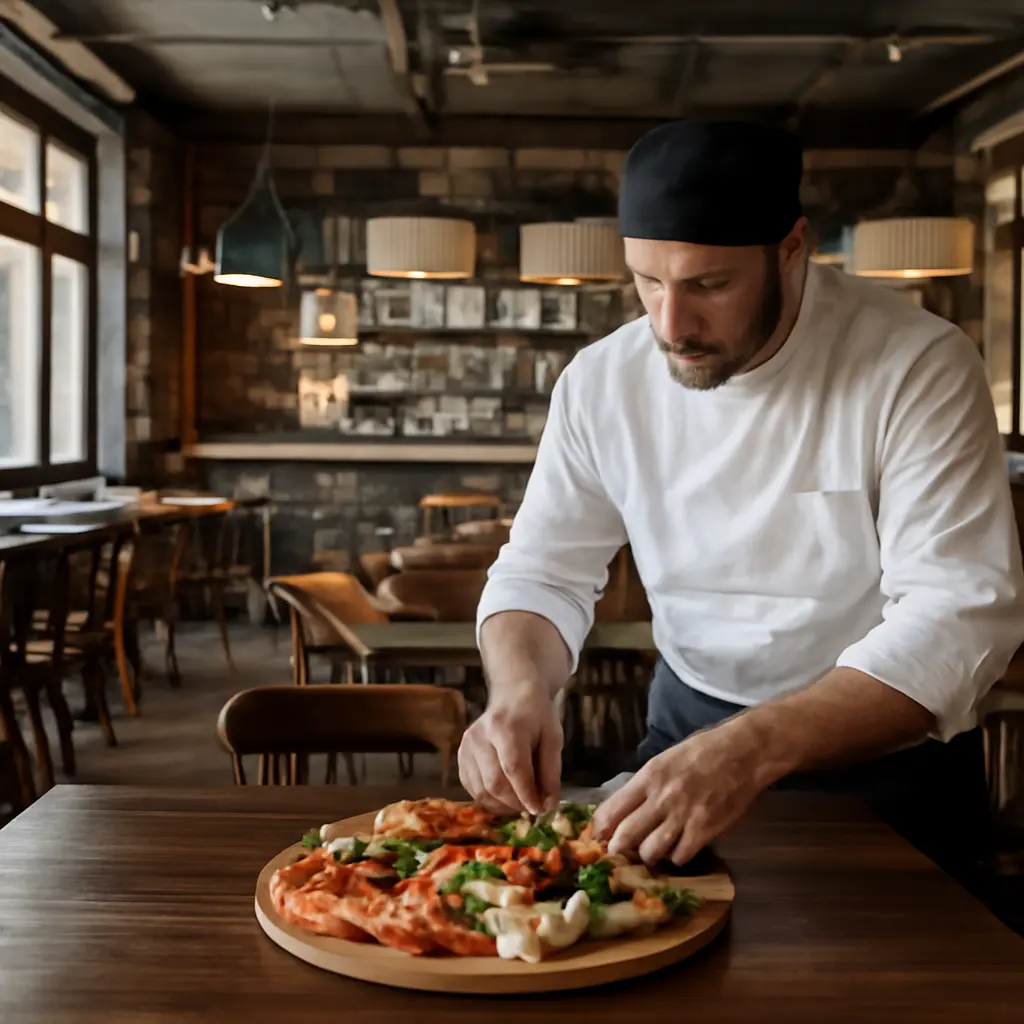
Behind the pass, the best gastropub cooks obsess over seasoning before anything else.
Crooked Goose >> Foodservice>> Behind the pass, the best gastropub cooks obsess over seasoning before anything else.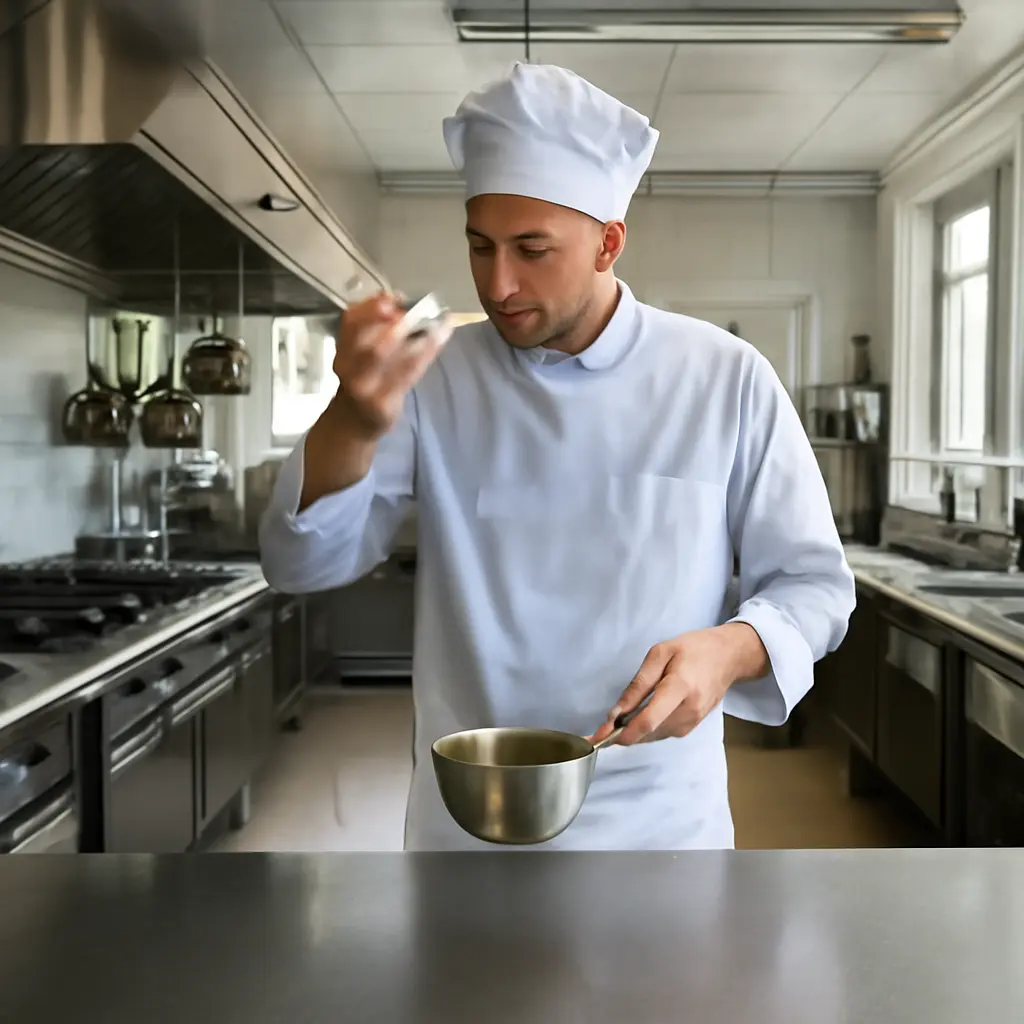
Behind the pass, the best gastropub cooks obsess over seasoning before anything else.
In a gastropub kitchen, seasoning is the deliberate adjustment of salt, acidity, bitterness, sweetness, and other flavors so a dish tastes balanced and complete. The cooks who do it well taste throughout preparation—not just at the pass—because ingredients change as they cook, reduce, rest, and meet sauces or garnishes. That practice matters in a sector where the National Restaurant Association has reported that roughly 9 in 10 operators identify food costs as a significant challenge: careful tasting can help a kitchen make the most of its ingredients, though it cannot by itself guarantee lower costs. The principles below explain how professional cooks define seasoning, build it into different dishes, and check the finished plate.
Seasoning practice shapes gastropub flavor and consistency
Seasoning is the process of adjusting a food’s taste with ingredients such as salt, pepper, acid, herbs, spices, and sugar. It is distinct from flavoring a dish with one prominent ingredient: seasoning aims to make the whole preparation taste balanced. Culinary educators, including the Institute of Culinary Education, describe tasting and adjustment as core kitchen skills, while professional recipes commonly call for seasoning in stages rather than relying on a final sprinkle.
For a gastropub, the challenge is practical as well as sensory. A menu may combine fries, braises, grilled meats, salads, and sauces, each with different needs. A cook must account for ingredients that already contain salt, such as stock, cheese, bacon, and pickles, and for changes that happen during cooking. A sauce that tastes right before reduction can become too salty afterward because water evaporates while dissolved seasoning remains.
The Food and Agriculture Organization of the United Nations recommends limiting sodium intake to less than 2,000 milligrams per day for adults. That public-health benchmark is a reason to season thoughtfully, not to make every dish taste flat: cooks can build contrast with acidity, herbs, spice, and texture while using salt deliberately. The figures are population guidance, not a universal recipe target; actual needs vary by person and serving size.
Layered seasoning improves gastropub dishes
Layered seasoning means adjusting flavor at several points in a dish’s preparation, then tasting again before service. It is not a fixed formula: the cook adds a measured amount, allows it to dissolve or cook into the food, and evaluates the result. This approach helps distribute seasoning through a dish instead of concentrating it on the surface.
Salt seasons ingredients from the inside out
Salt is a mineral seasoning that enhances perceived flavor and changes how food tastes. In practice, cooks salt ingredients when the timing allows the salt to disperse, such as seasoning meat before cooking or adding salt to pasta water. The amount depends on the ingredient and the rest of the plate: a salty cheese sauce, cured meat, or stock can contribute substantially before a cook reaches for the salt cellar.
The American Heart Association advises adults to consume no more than 2,300 milligrams of sodium per day, with an ideal limit of 1,500 milligrams for most adults, particularly those with high blood pressure. Sodium is not identical to salt, and these recommendations concern total daily intake rather than the seasoning of one restaurant dish. For kitchen teams, the practical lesson is to taste components together and avoid correcting a dish by adding salt automatically.
Acid brings brightness to rich food
Acid is a sour-tasting ingredient—such as lemon juice, vinegar, or cultured dairy—that can make rich or heavy food seem livelier. Gastropub cooks might finish a butter-rich sauce with lemon, add vinegar to a slaw, or serve pickles alongside fried food. Acid does not remove fat or salt; it creates contrast that can make a plate feel more balanced.
Acidity is especially useful near the end of cooking because prolonged heat can dull some fresh citrus and vinegar aromas. A cook can add a small amount, taste, and repeat, taking care not to make the dish sharply sour. In a pan sauce, for example, a splash of vinegar may sharpen the flavor after stock has reduced, but the sauce should be tasted again after the final addition.
Herbs, spices, and heat build aroma and identity
Herbs and spices are plant-derived ingredients used to add aroma, warmth, color, or distinctive flavor. Their effects depend on form and timing: dried spices often benefit from brief cooking in fat, while delicate fresh herbs may be best added near service. Black pepper, mustard, smoked paprika, rosemary, and chili can each give a dish a recognizable character without serving the same function.
The U.S. Food and Drug Administration’s food-labeling rules recognize spices as flavoring ingredients, but a kitchen’s culinary task is more specific: choose an amount that complements the main ingredient. For example, a peppery crust can suit grilled steak, while a restrained amount of chili may provide warmth in a bean stew. Fresh herbs should be stored and handled safely, and cooks should not use aromatics to disguise ingredients that are stale or improperly prepared.
Tasting at the pass verifies final seasoning
The pass is the area where finished plates are checked and sent from the kitchen. Tasting at the pass is a final quality-control step, not a substitute for seasoning during cooking. By this stage, a cook should check the assembled dish as a customer will experience it, including sauce, garnish, and any salty or acidic accompaniments.
A repeatable tasting sequence catches imbalance
A simple tasting sequence is to assess temperature, aroma, salt, acidity, and overall balance. The cook should taste a representative bite rather than a sauce alone, because a garnish or side can change the impression. If a dish seems dull, the answer may be acid, pepper, or fresh herbs—not more salt. If it tastes harsh, a small adjustment to fat, sweetness, or dilution may help, depending on the recipe.
The USDA’s Food Safety and Inspection Service emphasizes safe handling and temperature control for foods, including cooked meats. Tasting practices must respect food safety: use a clean spoon for each sample, never return a used spoon to a shared pot, and do not taste food that has been held or handled unsafely. Sensory judgment and safe kitchen procedures belong together.
Standard recipes support consistency across a shift
A standardized recipe records ingredients, quantities, method, yield, and, where useful, sensory checkpoints. It gives a team a common starting point while leaving room for a final adjustment when produce, stock, or batch size varies. A recipe may specify a range for lemon juice or salt and require the cook to taste after reduction, rather than prescribing an inflexible amount for every circumstance.
This is particularly helpful when several cooks prepare the same dish or when a large batch is divided between service periods. A practical kitchen note might state that a stew is seasoned after the broth reduces and checked again after the meat rests. Such a note identifies the moment when the flavor changes, helping staff deliver a more consistent plate without assuming every batch behaves identically.
Gastropub examples show seasoning in practice
Consider fish and chips: the fish may need seasoning before battering, the fries need seasoning while hot, and the plate may include tartar sauce and lemon. The cook must judge these parts together; heavily salted fries and a sharp sauce can make extra salt on the fish unnecessary. A final taste helps confirm that the crisp, rich, and acidic elements remain in balance.
A slow-cooked beef stew presents a different challenge. Salt added early can season the meat and vegetables, but stock reduction can intensify the result. The cook can taste during cooking, then reassess after reduction and again before serving, using herbs or a little vinegar if the finished stew needs lift. These examples illustrate why seasoning is a process rather than a last-second gesture.
A useful kitchen visual would be a seasoning timeline showing when to taste a braise, sauce, fried item, and assembled plate. Such a chart can guide training, but it should be treated as a prompt to evaluate—not as a substitute for tasting.
Conclusion: attentive seasoning defines the finished plate
Gastropub seasoning combines layered salt, purposeful acidity, aromatic herbs and spices, and a final check at the pass. The key is to taste as ingredients cook and change, account for salty components and reductions, and assess the assembled dish rather than relying on a fixed finishing pinch. Public-health sodium guidance reinforces the value of precision, while standardized recipes and safe tasting practices help a team maintain consistency.
For cooks and kitchen managers, the next step is straightforward: build tasting checkpoints into recipes, train staff to use clean tasting spoons, and record adjustments that improve repeatability. Further reading from the FDA, USDA, and major culinary education programs can help teams deepen their understanding of food safety, ingredient handling, and professional cooking technique.
Sources: National Restaurant Association, 2024 State of the Restaurant Industry, https://restaurant.org/research-and-media/research/research-reports/state-of-the-restaurant-industry/; Food and Agriculture Organization of the United Nations, Sodium reduction, https://www.fao.org/nutrition/education/food-dietary-guidelines/regions/countries/united-states-of-america/en/; American Heart Association, How Much Sodium Should I Eat Per Day?, https://www.heart.org/en/healthy-living/healthy-eating/eat-smart/sodium/how-much-sodium-should-i-eat-per-day; U.S. Department of Agriculture, Food Safety and Inspection Service, Safe Minimum Internal Temperature Chart, https://www.fsis.usda.gov/food-safety/safe-food-handling-and-preparation/food-safety-basics/safe-temperature-chart; U.S. Food and Drug Administration, Food Labeling Guide, https://www.fda.gov/regulatory-information/search-fda-guidance-documents/guidance-industry-food-labeling-guide; Institute of Culinary Education, Culinary Arts, https://www.ice.edu/campuses/new-york/career-programs/culinary-arts.
Related Post

Costly Mistakes to Avoid When Running Casual Dining Specials
Running Casual Dining Specials: Definition and Relevance Casual dining specials refer to time-limited promotional offers…