

A Chef Reveals The Secret Behind Gastropub Sharing Dishes
Crooked Goose >> Foodservice>> A Chef Reveals The Secret Behind Gastropub Sharing Dishes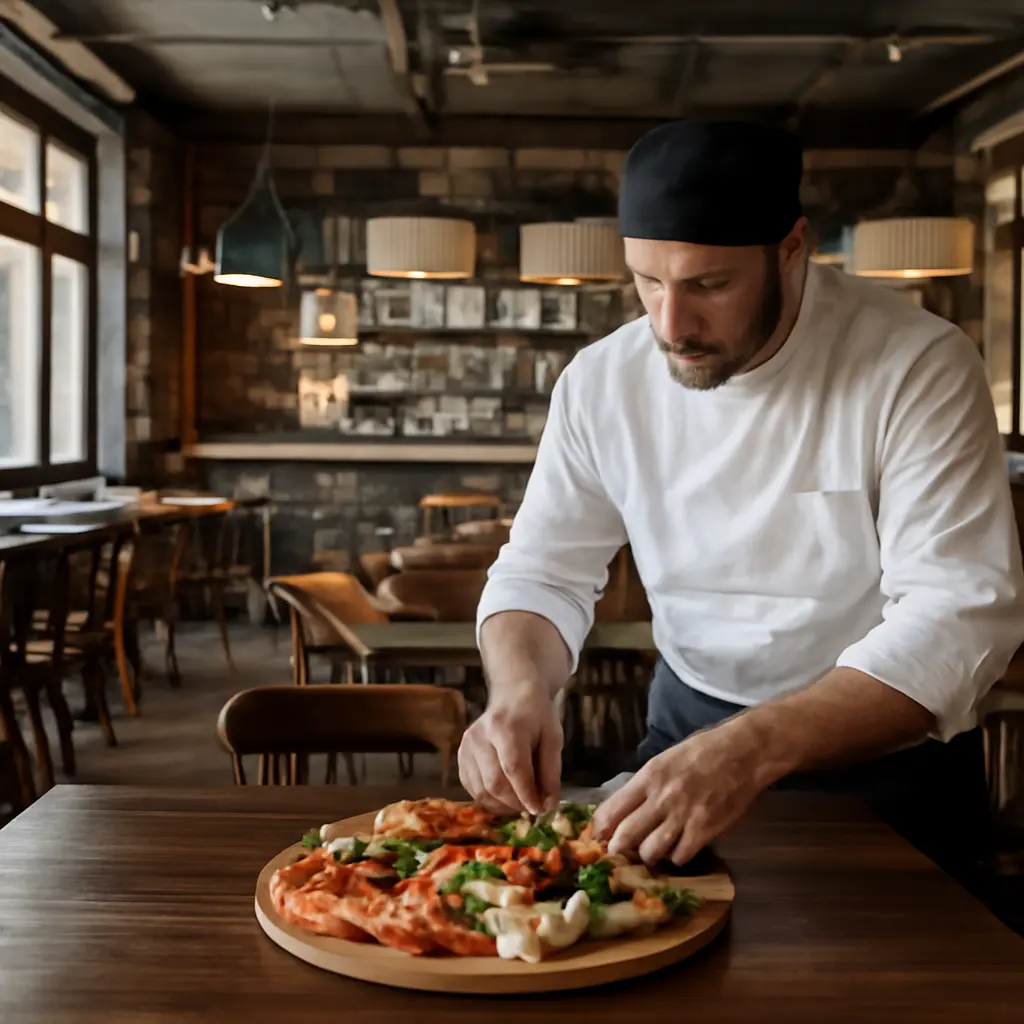
A Chef Reveals The Secret Behind Gastropub Sharing Dishes
A gastropub sharing dish is a thoughtfully prepared, restaurant-quality plate designed for several people to enjoy together, rather than a conventional entrée portioned for one. Its secret is not simply making a dish larger: chefs balance bold flavor, varied textures, practical serving size, and a presentation that lets guests share comfortably. That approach reflects a broader restaurant trend: the National Restaurant Association identifies shareable plates and social dining as continuing menu interests, while the U.S. Bureau of Labor Statistics’ consumer-spending data show that food away from home remains a substantial part of household expenditure. Understanding how chefs plan these dishes—from portion architecture and flavor to menu economics—helps explain why they work at the table and on the menu.
How chefs design gastropub sharing dishes
“Gastropub sharing dish” is a descriptive menu category, not a standardized culinary term. In practice, it combines gastropub cooking—restaurant-quality food served in a relaxed pub setting—with a format intended for two or more diners. The National Restaurant Association describes restaurants as adapting menus to diners’ interest in social, experiential meals; the specific portion and service style, however, vary by restaurant. A dish may be a communal platter, a set of small plates, or a single centerpiece accompanied by items guests can pass around.
The chef’s central design problem is to make a dish easy to divide without sacrificing the qualities that make it appealing. That means considering how many portions it yields, whether each guest can reach the food, how sauces and garnishes hold up during service, and whether the dish adds something different to the meal. The most successful plates feel generous but remain legible: diners can see what is included and decide how to share it.
Portion architecture and the right serving size
Portion architecture is the deliberate arrangement of food so that a group can divide it fairly and conveniently. Rather than merely multiplying a single-person portion, chefs may build a platter from several cuts, pieces, or components. A plate of wings, for example, is naturally divisible; a large steak may need to be sliced before serving; a dip requires enough bread or vegetables for the group.
There is no universal serving-size rule for sharing plates. The right quantity depends on the dish’s richness, the number of guests, and whether it is an appetizer, side, or main course. Chefs and servers can make the choice clearer by stating the intended number of diners on the menu and recommending a mix of dishes. This also reduces the common mismatch between a plate that looks abundant but does not stretch far and one that overwhelms the table.
Flavor, texture, and contrast
Flavor contrast is the pairing of complementary or opposing tastes and sensations so that each bite remains interesting. In a sharing dish, chefs often combine richness with acidity, softness with crispness, or heat with cooling elements. A slow-cooked meat platter might include pickles or a sharp relish; crispy potatoes may come with a tangy sauce; a creamy dip may be served with crunchy vegetables and toasted bread.
Contrast matters because a shared dish is likely to be eaten across several bites and by people with different preferences. A garnish should contribute more than decoration: herbs can bring freshness, a squeeze of citrus can lift a rich sauce, and a crunchy topping can keep a soft preparation from feeling monotonous. The chef’s aim is a coherent plate with enough variation to reward repeated tasting.
Serving design and table usability
Serving design is the practical arrangement of food, utensils, and accompaniments for group dining. A platter needs enough room for guests to serve themselves without crushing delicate components, while sauces and dips should be accessible rather than hidden beneath the main ingredient. If a dish is difficult to portion neatly, the kitchen may pre-slice it or provide serving tongs, spoons, or small plates.
Temperature and timing also shape the experience. Crisp fried food can soften under a cover or while waiting for other plates; a hot cast-iron dish may remain warm but require a warning. Kitchens coordinate shared plates so that items intended to be eaten together arrive at the same time. These service details turn sharing from a menu label into a comfortable table experience.
Once portion, flavor, and usability are in place, the menu must help diners understand how a set of plates fits together. This is where the different types of gastropub sharing dishes—and the way they are described—become important.
Types of gastropub sharing dishes and how they work
Sharing dishes can be grouped by how guests eat them: small plates passed around, a central platter divided at the table, or a composed board that offers multiple tastes. These categories overlap, but naming the format helps diners anticipate portion size and service. A clear menu also gives staff a practical basis for advising groups with different appetites or dietary needs.
Small plates and tasting portions
Small plates are reduced-format dishes ordered in combination rather than as one individual entrée. They may include vegetable preparations, seafood, croquettes, or other items designed to arrive in separate portions. The format lets a table sample several flavors, but the menu should distinguish a tasting portion from a dish that is genuinely substantial enough to share.
For diners, the advantage is variety; for the kitchen, the challenge is coordinating multiple tickets and maintaining consistent portioning. A useful menu description names the principal ingredients and signals whether the dish is best treated as an individual starter or a plate for the table.
Communal platters and centerpieces
A communal platter is a large-format dish designed to sit in the middle of the table. Roast or grilled meats, fish, loaded vegetables, and large portions of fried food can all work in this format. The chef may slice or divide the centerpiece before it leaves the kitchen, then add sauces and sides that guests can pass around.
A strong platter balances visual impact with fairness. Similar-sized pieces, clearly separated accompaniments, and an indicated serving range help diners share without guessing. If a dish contains a limited number of pieces, the menu should say so; otherwise, guests may assume that a visually large plate will provide equal portions for everyone.
Boards, dips, and grazing dishes
Boards and grazing dishes combine multiple items for informal, ongoing eating. A board might pair cheeses or cured meats with bread, fruit, pickles, and condiments; a dip platter might offer a central spread surrounded by vegetables, crackers, or flatbread. Their strength is flexibility: diners can take small amounts over time and choose combinations that suit their tastes.
These dishes require careful attention to balance and replenishment. Accompaniments should be sufficient for the main item, and ingredients that must remain chilled or hot need appropriate handling. For guests with allergies or dietary restrictions, staff should be able to identify ingredients and explain whether shared utensils or preparation surfaces create cross-contact concerns.
Different formats serve different occasions, but they share a commercial consideration: food must be appealing to guests while workable for the restaurant. That connection between hospitality and business explains why chefs also think carefully about menu wording, ingredient use, and preparation systems.
Menu economics, food safety, and guest experience
A gastropub sharing dish is both a culinary decision and an operating decision. Its price must account for ingredients, labor, waste, and the number of diners it is expected to serve. The U.S. Bureau of Labor Statistics’ Consumer Expenditure Surveys track household spending on food away from home, providing context for how restaurant purchases fit into consumer budgets. These national figures do not determine what a particular restaurant should charge; local ingredient costs, competition, and portion design do that.
Pricing and ingredient efficiency
Menu pricing is the process of setting a price that reflects a dish’s costs and the value guests perceive. Sharing plates can make premium ingredients approachable because the cost is distributed among several diners, but a large plate is not automatically profitable. Chefs and managers need to account for trim, cooking loss, garnish, accompaniments, and the labor required to assemble the dish.
Ingredient overlap can improve efficiency when used thoughtfully. A restaurant might use the same seasonal herbs, pickles, or sauces across several dishes, reducing unused inventory while preserving variety. The goal is not to make every plate taste the same; it is to plan purchasing and preparation so that ingredients are used safely and consistently.
Clear descriptions and dietary transparency
A menu description should tell guests what the dish contains, how it is served, and how many people it is intended to suit. Words such as “for two to three” or “served with six pieces” are more useful than a vague “sharing plate.” Naming major allergens and offering staff guidance supports informed choices, particularly when diners have allergies, religious requirements, or dietary preferences.
The U.S. Food and Drug Administration identifies nine major food allergens: milk, eggs, fish, crustacean shellfish, tree nuts, peanuts, wheat, soybeans, and sesame. Restaurants should follow applicable local food codes and communicate ingredient information accurately. Because shared platters can involve common serving utensils, staff should also explain practical cross-contact risks rather than implying that a dish is suitable for every guest without confirmation.
Food safety at the shared table
Food safety means controlling hazards during preparation, holding, serving, and consumption. The U.S. Food and Drug Administration’s Food Code provides a model for retail food safety, including controls for time and temperature; adoption and enforcement are handled by state and local authorities. For shared dishes, safe handling includes keeping foods at appropriate temperatures, using clean utensils, and preventing ready-to-eat food from being contaminated during service.
The table format adds a human element: guests may use a personal utensil to serve themselves or leave a platter out while eating. Restaurants can reduce risk by providing serving utensils, explaining which dishes are intended to be eaten hot or promptly, and replacing contaminated or depleted service items as needed. These measures protect diners without making the meal feel formal or cumbersome.
Conclusion: the craft behind a memorable sharing dish
The secret behind a successful gastropub sharing dish is deliberate design. Chefs plan portion architecture so guests can divide the food, build flavor and texture contrasts that keep it engaging, and arrange the plate for easy service. They also distinguish among small plates, communal centerpieces, and grazing boards, then support the experience with clear pricing, menu descriptions, and safe handling.
For diners, the practical takeaway is to ask how many people a dish serves and whether it is an appetizer or a main. For restaurant teams, the opportunity is to make sharing genuinely convenient—not merely to enlarge a portion—and to communicate ingredients and service expectations clearly. Explore a gastropub’s menu with those questions in mind, and the thought behind each plate becomes part of the meal.
Sources: National Restaurant Association, 2025 State of the Restaurant Industry, https://restaurant.org/research-and-media/research/research-reports/state-of-the-restaurant-industry/; U.S. Bureau of Labor Statistics, Consumer Expenditure Surveys, https://www.bls.gov/cex/; U.S. Food and Drug Administration, Food Code 2022, https://www.fda.gov/food/fda-food-code/food-code-2022; U.S. Food and Drug Administration, Food Allergies, https://www.fda.gov/food/food-labeling-nutrition/food-allergies.
Related Post

Casual Dining Experience Explained A Simple Guide for First Time Diners
Understanding Casual Dining Experience Casual dining experience refers to the overall process and environment in…