What Makes a Casual Dining Brand Memorable
Crooked Goose >> Foodservice>> What Makes a Casual Dining Brand Memorable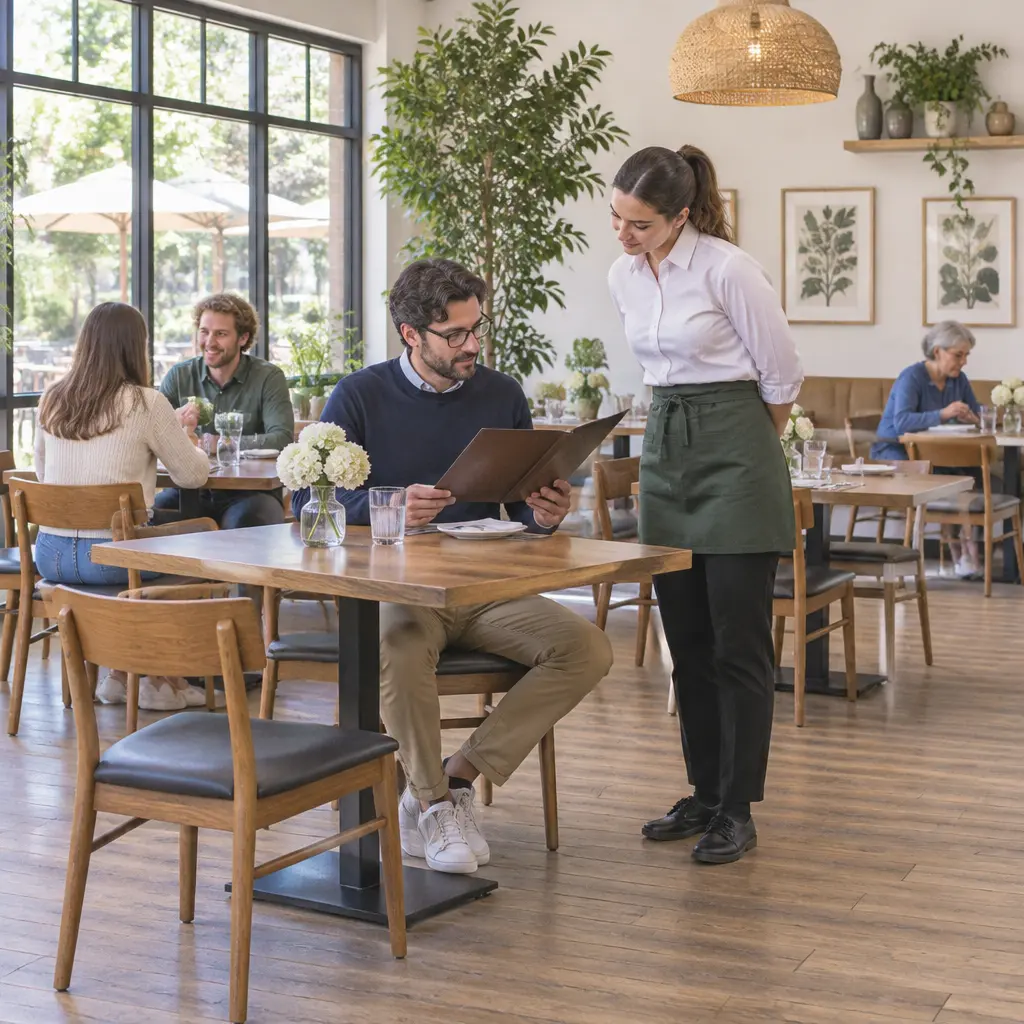
What Makes a Casual Dining Brand Memorable
A memorable casual dining brand is one that customers can readily recognize, trust, and recall—and have a clear reason to choose again. Its memorability grows from consistent food and service, a distinctive identity, an experience that feels worth sharing, and reliable value. These factors matter in a competitive market: the National Restaurant Association reported that U.S. restaurant and foodservice sales were projected to reach $1.1 trillion in 2024, while diners’ expectations increasingly span convenience, hospitality, and quality. The sections below examine how brand identity, customer experience, value, and loyalty work together, with examples and research to show how restaurants can turn recognition into repeat visits.
Brand identity shapes casual dining memorability
Brand identity is the set of recognizable associations a business builds through its name, visual design, products, language, and conduct. The American Marketing Association defines a brand as a name, term, design, symbol, or other feature that identifies one seller’s goods or services and distinguishes them from competitors. In casual dining, identity is not just a logo: it is the recognizable promise customers encounter in the menu, restaurant environment, advertising, and service.
A strong identity helps customers retrieve a restaurant from memory when deciding where to eat. Research by Byron Sharp and colleagues on brand growth emphasizes the role of distinctive brand assets—such as colors, symbols, packaging, and characters—in making a brand easier to recognize and recall. For restaurants, those assets work best when they are distinctive and used consistently rather than changed frequently.
Distinctive positioning and a clear promise
Positioning describes the particular place a brand aims to occupy in customers’ minds relative to alternatives. A useful restaurant promise is specific enough to be memorable and broad enough to guide decisions. It might center on generous portions, a particular regional cuisine, family-friendly gatherings, or a lively sports-bar atmosphere. The promise becomes credible when menus, prices, service, and setting reinforce the same expectation.
For example, Texas Roadhouse has built recognizable associations around hand-cut steaks, rolls, and a high-energy dining room. The point is not that one concept suits every restaurant; it is that repeated cues help customers know what experience they are choosing. A brand that tries to stand for everything risks becoming difficult to distinguish.
Visual identity, menu cues, and brand consistency
Visual identity includes the elements customers can recognize at a glance: name, logo, colors, typography, signage, uniforms, and menu presentation. Menu design also acts as a brand cue by highlighting signature dishes and communicating the restaurant’s personality. Consistent use across locations, online ordering, social media, and packaging makes recognition easier, especially when customers encounter the brand outside the dining room.
Consistency does not mean every location must feel identical. Local adaptations can make a restaurant more relevant, but they should not obscure the central promise. A practical test is whether a customer can still identify the brand’s signature experience when a location, menu, or service channel changes.
Customer experience makes casual dining memorable
Customer experience is the customer’s overall perception formed through interactions with a business across the journey, from discovery and ordering through the meal and follow-up. In restaurants, the experience is produced by many connected details: food quality, timing, cleanliness, staff interaction, atmosphere, and how problems are resolved. A memorable brand must deliver its promise in actual visits, not only in advertising.
The U.S. Bureau of Labor Statistics’ Consumer Expenditure Survey documents the substantial role food away from home plays in household spending, making restaurant choices both frequent and consequential for consumers. Yet spending alone does not create loyalty. A visit becomes memorable when several practical expectations are met together and the emotional tone fits the occasion.
Food quality and signature products
Food quality is the customer’s assessment of attributes such as taste, freshness, temperature, portion, and consistency. Signature products give customers an easy way to remember and describe a restaurant. A distinctive appetizer, sauce, dessert, or preparation can serve as a “memory anchor,” particularly when it is reliably available and linked to the brand’s identity.
Consistency is especially important for multi-unit operators. Customers often expect a familiar dish to taste much the same across visits and locations. Operators can support that expectation with standardized recipes, ingredient controls, staff training, and regular quality checks. Innovation can refresh interest, but it should not undermine the dishes customers already associate with the brand.
Hospitality, speed, and service recovery
Hospitality is the way employees make guests feel welcomed, respected, and cared for; service speed is the time and coordination required to deliver the experience. These qualities need to work together. Fast service that feels dismissive can weaken a brand, while warm service that repeatedly involves long, unexplained waits can frustrate guests.
Service recovery—the response to a mistake or complaint—can also shape memory. A clear apology, prompt correction, and reasonable remedy show whether the brand takes responsibility. The restaurant should make it easy for staff to resolve common issues while tracking recurring problems, such as inaccurate orders or delays, so recovery does not substitute for prevention.
Atmosphere and occasions
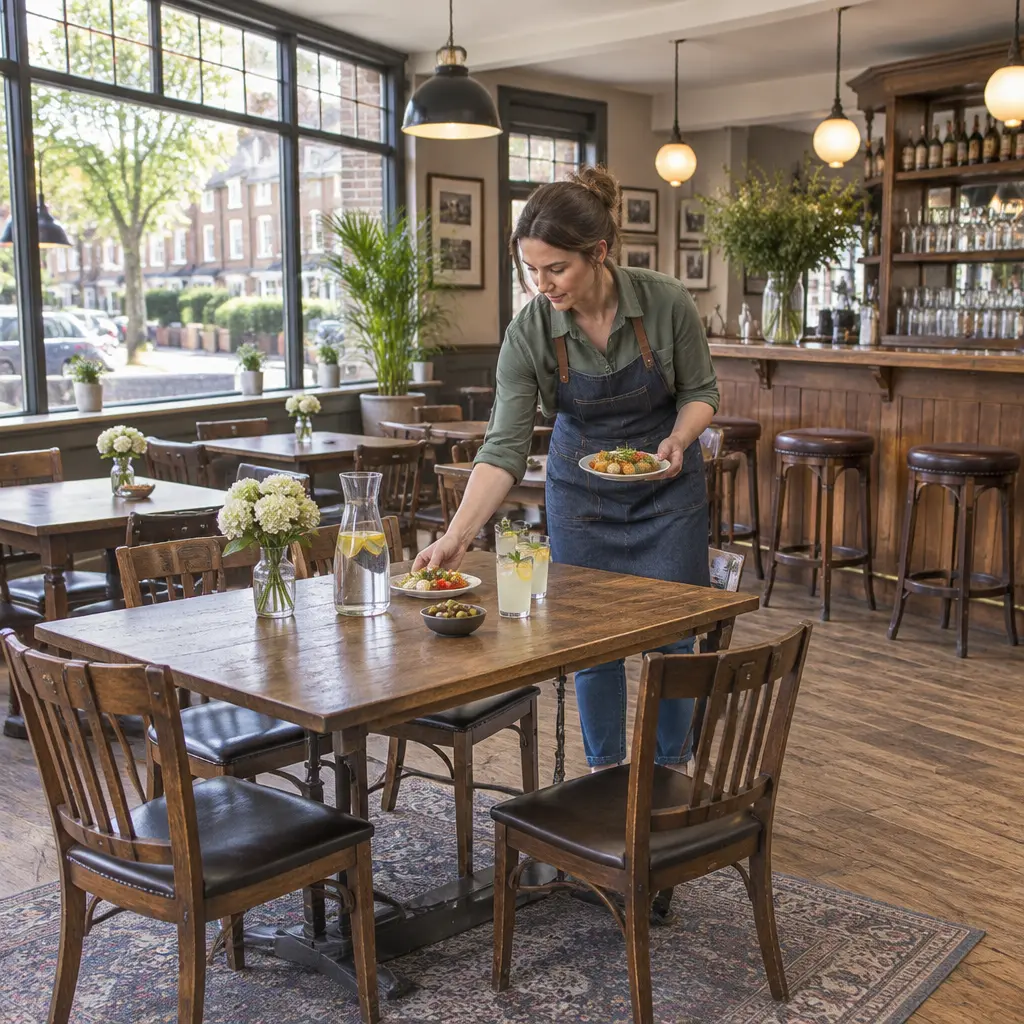
Atmosphere is the sensory and social character of the dining environment, including lighting, music, layout, noise, décor, and the behavior the setting encourages. Casual dining often serves multiple occasions—weeknight meals, celebrations, group gatherings, or a quick lunch—so the environment should support the occasions the brand wants to own.
A restaurant’s setting becomes distinctive when it reinforces the menu and service rather than competing with them. For instance, an energetic sports-bar concept may use screens and lively music, while a neighborhood family restaurant may prioritize comfortable seating and easy conversation. The relevant measure is not whether an atmosphere is fashionable, but whether customers recognize it and find it appropriate.
Value and convenience strengthen casual dining recall
Perceived value is the customer’s judgment of what they receive in relation to what they give up, including money, time, effort, and uncertainty. It is not synonymous with the lowest price. Portion, food quality, service, atmosphere, and convenience all contribute to whether a visit feels worth its cost. A memorable restaurant makes that value proposition understandable and dependable.
The National Restaurant Association’s 2024 industry report described consumers as attentive to value amid ongoing cost pressures. That makes transparent pricing and reliable execution especially important. A discount may encourage trial, but lasting recall is more likely when customers can explain what makes the experience worth returning for.
Price, portions, and perceived fairness
Price fairness is the perception that a charge is reasonable given the product and experience received. Restaurants can support that perception through clear menus, accurate descriptions, well-calibrated portions, and predictable bills. Surprise fees or a mismatch between promotional imagery and the delivered meal can damage trust, even when the food itself is acceptable.
Value can be communicated in different ways: a weekday special, a shareable meal, a premium signature dish, or a family bundle. The best approach fits the brand rather than relying on constant discounting. Operators can monitor guest feedback, average check, order mix, and repeat-visit patterns to see whether customers understand the offer.
Digital ordering and convenience
Convenience is the reduction of time and effort required to choose, order, receive, and pay for a meal. Digital menus, online ordering, reservations, delivery, and contactless payment can make a brand easier to access. These tools also become part of the brand experience: confusing interfaces, inaccurate availability, or weak order handoffs can undermine an otherwise strong restaurant visit.
The National Restaurant Association has identified off-premises dining as a significant part of restaurant demand in its industry research. Restaurants therefore need to protect food quality and brand cues beyond the dining room. Packaging, order accuracy, realistic pickup times, and clear communication help preserve the experience when a meal is eaten elsewhere.
Loyalty and emotional connection sustain brand memorability
Brand loyalty is a customer’s continuing preference or repeat choice for a brand, while emotional connection refers to the personal meaning or feeling associated with it. Memorability can help a restaurant enter the choice set, but loyalty depends on repeated evidence that the brand remains relevant and dependable. Familiarity, positive past experiences, and a sense of belonging can work together to sustain that preference.
Loyalty programs can encourage repeat visits, but enrollment or points redemption alone does not prove an emotional bond. A program is most useful when it recognizes customers in a way that feels simple and worthwhile, while the underlying food and service remain strong.
Rewards and recognition
A restaurant loyalty program records customer activity and offers benefits such as points, birthday rewards, or member-only deals. It can help operators understand visit frequency and preferences, subject to responsible data practices and clear consent. Rewards should be easy to understand and redeem; complicated rules add friction and may weaken the goodwill they are intended to create.
The program should complement, not replace, hospitality. Personalized recognition can make guests feel known, but personalization should be relevant and respectful. Useful measures include active participation, repeat-visit frequency, redemption, and customer feedback—not merely the number of accounts created.
Community, storytelling, and social sharing
Community connection is the relationship a restaurant develops with the people, organizations, and traditions around it. Local sourcing, neighborhood events, charitable partnerships, and employee stories can give a brand meaning beyond its menu. These efforts are most credible when they are sustained and connected to the restaurant’s actual practices.
Storytelling helps make those practices understandable, while social sharing lets customers carry the brand into conversations and online spaces. A visually recognizable dish or a distinctive dining ritual may prompt sharing, but the restaurant should not depend on virality. A coherent story, genuine guest experience, and consistent follow-through are more durable than a one-time trend.
Conclusion: Build casual dining memorability through consistency
Casual dining memorability is built when a clear brand identity meets a dependable customer experience, credible value, and reasons for customers to return. Distinctive positioning and visual cues support recognition; food, hospitality, and atmosphere turn recognition into a lived experience; convenience and fair value reduce barriers; and loyalty, community, and storytelling deepen the relationship.
Restaurant leaders can begin by identifying the promise customers should remember, checking whether every channel delivers it, and tracking practical indicators such as guest satisfaction, order accuracy, repeat visits, and signature-item sales. Use customer feedback to find gaps, then improve the details that most strongly express the brand. For further context, consult the National Restaurant Association’s industry research, the American Marketing Association’s marketing definitions, and the U.S. Bureau of Labor Statistics’ Consumer Expenditure Survey.
Sources: American Marketing Association, “The Definition of a Brand,” https://www.ama.org/the-definition-of-marketing-what-is-marketing/; National Restaurant Association, 2024 State of the Restaurant Industry Report, https://restaurant.org/research-and-media/research/research-reports/state-of-the-restaurant-industry/; U.S. Bureau of Labor Statistics, Consumer Expenditure Surveys, https://www.bls.gov/cex/; Byron Sharp, How Brands Grow: What Marketers Don’t Know, Oxford University Press, https://global.oup.com/academic/product/how-brands-grow-9780195573565/.
Related Post

The Hidden Psychology Behind a Perfect Casual Dining Atmosphere
Ambient Environment + Casual Dining Atmosphere The ambient environment within casual dining establishments encompasses the…