
Why Regulars Choose One Pub Over Another
Crooked Goose >> Foodservice>> Why Regulars Choose One Pub Over Another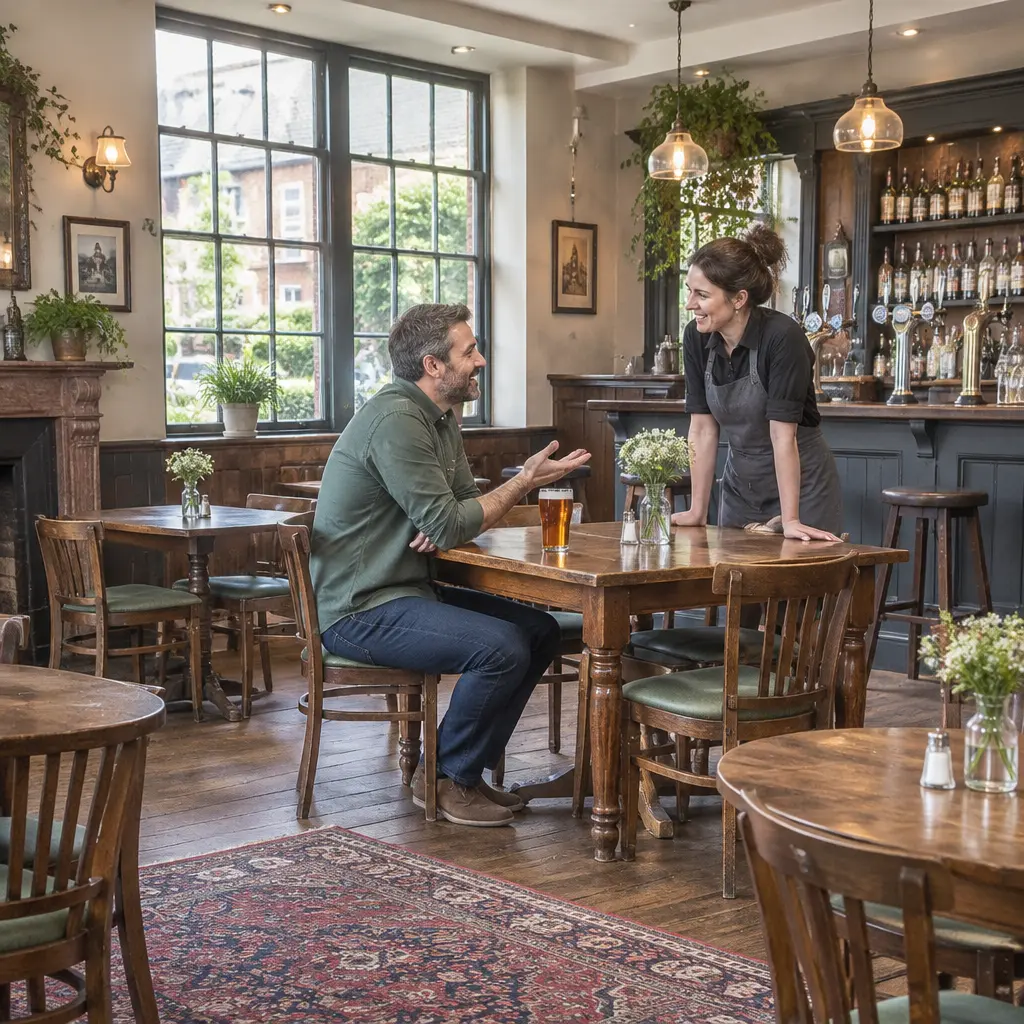
Why Regulars Choose One Pub Over Another
A pub’s regulars are customers who return often enough to make it part of their routine and social life. They tend to choose one pub over another because of a combination of welcome, atmosphere, dependable service, location, price, and the people they expect to see there—not simply because it serves a particular drink. Research on pubs and hospitality supports the importance of both social connection and service quality: the Campaign for Real Ale (CAMRA) has described pubs as community meeting places, while hospitality research consistently identifies service, value, and experience as influences on customer satisfaction and loyalty. The choices of regulars therefore reveal how a pub’s physical setting, staff, offerings, and community role work together.
How Pub Choice Shapes Regulars’ Loyalty
There is no single universal measure of why someone becomes a pub regular. In this article, “regulars” means repeat customers who visit often enough to develop familiarity with a venue, its staff, its routines, or its social network. Their loyalty is usually practical as well as emotional: a pub may be close to home, offer reliable value, feel comfortable, and provide a predictable opportunity to meet others. These factors matter beyond hospitality because local pubs can function as accessible social spaces, particularly for people seeking informal contact outside work and home.
The scale of the issue is visible in the UK pub sector. The British Beer and Pub Association (BBPA) reported approximately 45,000 pubs in the UK in its 2024 industry statistics, while also documenting the sector’s economic and employment contribution. The number alone does not explain which pub a person chooses, but it illustrates the competitive setting: regulars can often select among venues with overlapping menus and drinks. To understand their decisions, it helps to examine the pub’s social welcome, its dependable offer, its convenience, and the habits that turn a visit into a relationship.
Pub Loyalty Reflects Social Belonging and Reliable Experience
Pub loyalty is the tendency to return to a particular pub and prefer it over alternatives. It develops through repeated experiences rather than a single feature. Marketing scholars Richard L. Oliver and Jillian Swan’s work on satisfaction and fairness helps explain why customers judge service not only by the outcome but also by whether the interaction feels respectful and consistent. In a pub, the relevant characteristics include recognition, a comfortable atmosphere, dependable products, fair prices, convenient access, and a sense that the venue fits the customer’s needs.
Related forms of loyalty include habitual loyalty, social loyalty, value-based loyalty, and experience-based loyalty. Habitual regulars return because the pub is part of their routine; social regulars come for company; value-oriented customers prioritize price and quality; and experience-oriented customers seek a distinctive setting, food, entertainment, or service. These categories overlap, and a person may choose a pub for one reason on a weekday and another on a weekend. The distinctions lead naturally from the pub’s social character to the practical details that make repeated visits easy.
Social Belonging and Familiar Faces
Social belonging is the feeling of being recognized and accepted within a venue’s informal community. A regular may value familiar staff, a known group of patrons, or the freedom to join conversation without arranging a formal event. Sociologist Ray Oldenburg used the term “third place” for informal gathering spaces distinct from home and work; pubs are often discussed as one example, though not every pub serves every community equally. The concept helps explain why the people in a venue can matter as much as its drinks list.
The UK Government’s Community Life Survey tracks social contact, community participation, and loneliness, underscoring the public relevance of accessible places for everyday interaction. Its measures do not prove that pub attendance prevents loneliness, and a pub should not be treated as a substitute for health or social services. They do, however, provide context for why regulars may choose a venue where conversation feels natural and staff remember their preferences. For example, a neighborhood pub with a quiz team or a familiar after-work crowd may become more attractive than a newer venue with a larger drinks range but fewer social ties.
Atmosphere, Comfort, and Identity
Atmosphere is the overall impression created by a pub’s layout, lighting, noise level, décor, cleanliness, and customer mix. Regulars often prefer a place whose character matches how they want to spend time: quiet enough for conversation, lively enough for a group, or welcoming to families and different generations. The same feature can attract one customer and deter another. Live music may create energy for some while making conversation difficult for others.
Identity also matters. A traditional pub, a sports-focused venue, a craft-beer bar, and a food-led gastropub signal different expectations even when they serve similar products. CAMRA’s pub guidance emphasizes the importance of pub character and the role of pubs in local life. A real-world example is the contrast between a community pub hosting local teams and a city-centre bar designed around late-night entertainment: regulars may choose the former for familiarity and the latter for a specific occasion. A pub’s identity becomes most persuasive when its claims match the actual experience.
Service, Value, and Offerings Reinforce Repeat Visits
Social connection may give a pub emotional appeal, but service and value determine whether the visit remains satisfying. Customer experience includes the full sequence of arrival, ordering, waiting, payment, and interaction with staff. The UK Institute of Customer Service’s research on customer satisfaction treats service quality as a measurable influence on customer attitudes and organizational performance. Applied to pubs, the principle is straightforward: polite, capable service and a reliable experience reduce the uncertainty of choosing a venue again.
The related decision factors include staff interaction, product consistency, price fairness, food and drink range, and responsiveness to feedback. They are connected: a good selection loses appeal if service is slow, while low prices may not compensate for poor cleanliness or inconsistent quality. These practical factors also influence whether a pub suits a regular’s particular routine, such as a quick lunch, a weekly meal, or an evening with friends.
Friendly, Consistent Service
Consistent service means customers can reasonably expect staff to be attentive, respectful, and capable across visits. Personal recognition can strengthen that experience, but it should not become intrusive: customers differ in how much conversation they want. The UK Institute of Customer Service’s UK Customer Satisfaction Index, published twice yearly, measures satisfaction across sectors and highlights the continuing importance of customer experience. It is not a pub-only measure, so it should be used as broader service context rather than a direct estimate of pub loyalty.
Small operational details can determine whether service feels dependable: clear menus, accurate orders, clean tables, accessible facilities, and staff who resolve problems calmly. A regular may forgive an occasional delay when the pub communicates honestly and makes an effort to put things right. Conversely, repeated mistakes can weaken trust even when the venue has an appealing location or décor. Consistency is therefore a bridge between a positive first visit and a lasting routine.
Price, Quality, and Perceived Value
Perceived value is the customer’s judgment of what they receive in relation to what they pay. It is not identical to the lowest price: customers may accept a higher bill for better-quality food, a distinctive drink, generous portions, or a comfortable experience. The Office for National Statistics’ consumer price data provides context for the cost pressures affecting household spending, while the BBPA tracks economic conditions facing pubs. Neither source measures an individual’s pub choice directly, but both help explain why customers pay attention to affordability and price changes.
Regulars often compare value across the whole visit, including drinks, meals, transport, and time. A pub with a reasonably priced lunch offer may become a weekday regular, while another may be reserved for special occasions. Clear pricing and dependable quality make the trade-off easier to trust. If prices rise, transparent communication and visible improvements can help preserve perceived fairness; unexplained increases paired with declining quality can encourage customers to try nearby alternatives.
Food, Drink, and Activities That Fit the Occasion
A pub’s offer is the range of food, drink, and activities available to customers. Regulars may choose a venue for a well-kept cask ale, non-alcoholic options, a dependable menu, televised sport, quizzes, live music, or family-friendly events. The choice is often occasion-specific: a customer might favor one pub for a match, another for a quiet meal, and a third for a local club gathering. A broad offer can appeal to varied groups, but a coherent offer is often more memorable than an unfocused one.
The British Beer and Pub Association’s sector reporting documents the range of pub business models and the importance of food and drink sales to the industry. For individual regulars, the key question is whether the offer is available and reliable when needed. A pub that advertises a quiz but cancels it frequently, or lists a signature dish that is often unavailable, may undermine trust. In contrast, a venue that consistently delivers a smaller, well-chosen offer can become a dependable choice.
Convenience and Routine Turn Preference into Habit
Convenience is the degree to which a pub fits customers’ location, schedule, mobility, and practical needs. It includes distance from home or work, transport links, opening hours, ease of entry, and the availability of seating. Convenience is not merely a secondary benefit: a pub that is easy to reach can become part of a weekly routine, while an otherwise appealing venue may be visited less often if getting there is difficult.
This category includes neighborhood proximity, accessibility, opening-hour fit, and predictable routines. These features connect the pub’s physical environment with customers’ repeated behavior. Once people associate a particular venue with a regular meeting, a sports fixture, or a meal after work, habit lowers the effort required to decide where to go. That routine can be reinforced by social ties and reliable service, creating a stronger preference than any single promotion.
Location, Access, and Opening Hours
Location means more than a pub’s address; it includes how safely and easily customers can get there and return. For regulars, proximity to home, workplaces, public transport, or community facilities can outweigh a marginal difference in menu or décor. Accessibility also includes step-free entry where feasible, suitable toilets, clear signage, and seating options. The UK Government’s guidance on accessible places and services provides a framework for considering barriers, although the practical needs of customers vary.
Opening hours shape whether a pub fits daily life. A venue open for a post-work meal, an early sports broadcast, or a weekend gathering may serve a different regular group from one focused on late-night trade. Local transport schedules and neighborhood safety also affect the realistic cost of a visit. For instance, a pub beside a railway station may attract commuters, while a village pub may depend more on residents who can walk or arrange a lift.
Rituals, Events, and Predictable Gathering Times
A ritual is a repeated social activity associated with a particular time or place, such as a Friday meal, a weekly quiz, or meeting friends before a match. Regular events give customers a reason to return and help them coordinate with others. The value is partly practical—people know when something is happening—and partly social, because repeated attendance creates familiarity among participants.
A pub can strengthen these routines by keeping schedules consistent and communicating changes clearly. Community groups, sports clubs, and charity events can extend the venue’s role beyond serving food and drink. However, event programming works best when it suits local interests and does not crowd out customers seeking a quieter experience. A balanced schedule can serve different groups on different days and broaden the pub’s regular base.
How Pubs Can Learn from Regulars’ Choices
Regulars’ choices offer practical feedback about what a pub delivers well and where it creates friction. Owners and managers can observe repeat attendance, ask customers about their experience, track event participation, review menu performance, and monitor complaints or service delays. These indicators should be interpreted together: a busy night does not necessarily mean customers are satisfied, and a quiet period may reflect seasonality, weather, or local events rather than a failing offer.
Useful improvements often combine operational reliability with genuine community listening. A pub might refine opening hours, improve menu availability, introduce a quieter seating area, offer alcohol-free choices, or make access easier. Any change should be checked against customer response rather than assumed to work. The goal is not to make every pub identical, but to deliver a recognizable promise that fits the needs of its neighborhood and its regulars.
A Practical Listening-and-Improvement Cycle
- Identify the customer groups and occasions the pub intends to serve.
- Collect feedback through brief conversations, comment cards, surveys, and reviews, while respecting privacy.
- Compare feedback with operational evidence such as repeat bookings, event attendance, complaints, and product availability.
- Test a focused change, such as adjusting a menu item or improving event communication.
- Review the results with customers and staff, then retain, revise, or discontinue the change.
This cycle turns loyalty into a two-way relationship: customers receive a more dependable experience, and the pub gains a clearer understanding of local preferences. It also avoids relying on assumptions—for example, presuming that all regulars want louder entertainment, more menu choices, or frequent promotions. Listening is most useful when paired with visible follow-through.
Conclusion: Regulars Choose the Pub That Fits Their Lives
Regulars choose one pub over another through a combination of social belonging, atmosphere, service, value, offer, convenience, and routine. Social loyalty explains why familiar people and a welcoming identity matter; experience-based loyalty reflects consistent service and a fair exchange; and habitual loyalty grows when location, access, opening hours, and recurring events fit everyday life. Industry and public-service data provide context for the importance of the pub sector and customer experience, but the most decisive evidence is often local: what customers return for and what prevents them from coming back.
For pub operators, the broader implication is that loyalty is built through repeated, credible experiences rather than a single discount or trend. For customers, noticing what makes a venue feel welcoming can help them support places that contribute to local social life. Pub owners can start by asking regulars what they value, checking whether the experience matches the pub’s promise, and making one measurable improvement at a time.
Sources: British Beer and Pub Association, Statistical Handbook and pub industry statistics, https://beerandpub.com/industry/; Campaign for Real Ale, What is a pub?, https://camra.org.uk/; Oldenburg, Ray, The Great Good Place, Marlowe & Company, 1999; Oliver, Richard L., “A Cognitive Model of the Antecedents and Consequences of Satisfaction Decisions,” Journal of Marketing Research, 1980, https://doi.org/10.1177/002224378001700405; Office for National Statistics, Consumer price inflation, UK, https://www.ons.gov.uk/economy/inflationandpriceindices; UK Government, Community Life Survey, https://www.gov.uk/government/collections/community-life-survey; UK Government, Inclusive mobility: making transport accessible for passengers and pedestrians, https://www.gov.uk/government/publications/inclusive-mobility; Institute of Customer Service, UK Customer Satisfaction Index, https://www.instituteofcustomerservice.com/research-insight/ukcsi/.
Related Post

The Secret Techniques Behind Modern Gastropub Food That Wow Diners
Innovative Techniques Elevating Modern Gastropub Cuisine Modern gastropubs represent a culinary evolution, blending traditional pub…